
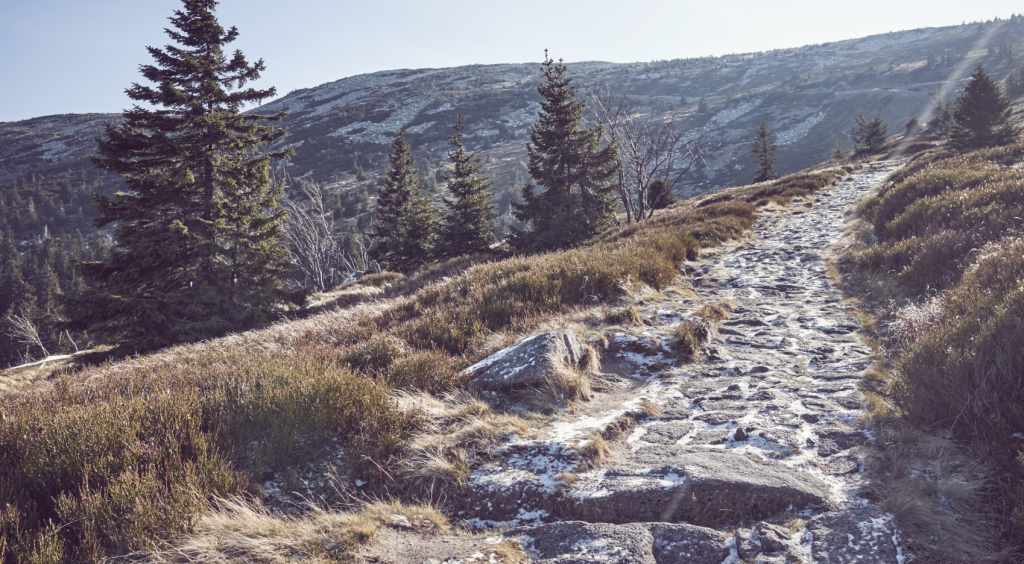
Quick answer: Once Reno’s mornings start dipping below freezing, outdoor exercise gets riskier for older adults. Cold air narrows blood vessels and makes the heart work harder, aging bodies lose heat faster and sense cold less accurately, and icy sidewalks and early darkness raise the odds of a fall. Moving your workouts indoors for the winter lets you keep the strength, balance, and endurance you built this summer, without gambling on the weather.
If you’re one of the Reno seniors who walks the Truckee River path every morning, hikes the foothills on weekends, or bikes around the neighborhood, good for you. That habit is doing more for your long-term independence than almost anything else you could do.
But the conditions that made those workouts easy in June are about to go away.According to the Nevada State Climate Office at the University of Nevada, Reno, nighttime lows across much of the state average below freezing from October through April. Here in Reno, December lows typically sit in the mid-20s, and the valley gets around 22 inches of snow in an average year. Our dry, sunny winter days can feel pleasant at noon and still be well below freezing at 7 a.m. — which is exactly when a lot of people like to get their walk in.
None of this means you should stop exercising. It means winter is the season to move the work inside, and Paul Fischer can help.
Why cold weather is harder on the body after 60
Your heart works harder in the cold.
The American Heart Association explains that cold causes blood vessels and coronary arteries to constrict, which can raise blood pressure and increase the risk of heart attack or stroke. Add in the effort of a brisk walk or an uphill hike, and the heart is asked to do more with less blood flow.For someone with high blood pressure or a history of heart trouble, that combination deserves real respect.
You lose heat faster and notice it later.
As we age, we tend to carry less insulating fat under the skin and become less sensitive to temperature changes. That means you can get dangerously cold before you feel it.The National Institute on Aging notes that hypothermia, a core temperature below 95°F, can happen even above 40°F if you get chilled from sweat or rain. A long walk that leaves you damp on a breezy November morning checks both boxes.
Cold muscles and joints are less forgiving.
When blood vessels narrow, muscles get less oxygen and warm up more slowly. Stiff hips, knees, and backs don’t love that. Harvard Health recommends a thorough warm-up in any weather, and advises older adults to exercise indoors when it’s extremely cold, rainy, snowy, or icy.
Dehydration sneaks up on you.
The Mayo Clinic points out that you still lose fluid in cold weather through sweat, breathing, and dry wind. You just notice it less. In Reno’s high-desert air, that effect is even stronger.
Ice and darkness: the fall risk nobody plans for
For most of our clients, the biggest winter danger isn’t the cold itself. It’s the ground. A patch of black ice on a shaded sidewalk, frost on a wooden bridge, or a snow-covered curb can turn a routine walk into a fracture.And by December, the sun sets before 5 p.m., so evening walkers are often stepping out in low light.
If you’ve been working on balance and fall prevention, or you’re protecting your bone density, winter is the worst time to put that progress at risk on an icy trail.
The hidden cost of “I’ll just take the winter off”
The other common winter pattern is quieter: people don’t get hurt, they just stop. It’s cold, it’s dark, the walking group breaks up until spring, and three or four months go by.
Research backs this up. Multiple studies have found that older adults are less active in winter than in summer.One study of women aged 75 and older found that those whose daily step counts dropped over the winter had lower physical performance a year later, particularly in walking speed. Walking speed matters because it’s one of the clearest markers of how independently someone will be able to get around as they age.
In other words, a lost winter isn’t just a pause. For many seniors, it’s a step backward that takes months to recover. If you started moving again this September, the goal is to carry that momentum through the cold months, not let it melt away.
What indoor training does that a winter walk can’t
Moving indoors isn’t just about avoiding the weather. For older adults, a good indoor setting often gives you a better workout than the one you were doing outside.
- A controlled environment. No ice, no wind chill, no daylight limits. You can train at 7 a.m. in January and it feels the same as 7 a.m. in May.
- Real strength work. Walking is great for your heart, but it doesn’t build much muscle. Indoor training lets you add the resistance work that protects against muscle loss and supports your bones.
- Balance training on stable ground. You can safely practice the balance and reaction skills that prevent falls, instead of testing them on a frozen sidewalk.
- Supervision and adjustments. A trainer can see when your knee is cranky or your energy is low and change the session on the spot.
- Consistency. A scheduled session with someone expecting you is the easiest way to keep showing up when it’s dark at 4:45.
How Paul trains seniors indoors at Performance EDU
Certified personal trainer Paul Fischer has spent nearly 30 years helping older adults in Reno get stronger and move better. He trains clients at Performance EDU, an indoor facility where every session happens in a warm, well-lit space built for the kind of careful, progressive training older bodies respond to.
Winter sessions typically blend:
- A longer, gradual warm-up to get joints moving and blood flowing
- Strength training scaled to your current ability and any joint or bone concerns
- Balance and stability work to keep you steady on your feet, including when you do go outside
- Conditioning that keeps your heart and lungs in shape while outdoor cardio is off the table
As Paul often tells new clients, the gym itself matters less than the person guiding you.
If you still want to get outside this winter
Indoor training doesn’t mean you have to give up the outdoors completely. On the days you do go out:
- Check the temperature, wind chill, and ice conditions before you leave.
- Aim for the warmest part of the day, usually late morning to early afternoon.
- Warm up indoors for 5 to 10 minutes first.
- Dress in layers you can remove before you start sweating, and cover your head and hands.
- Wear shoes with good traction, and consider ice cleats for walking.
- Carry water, and tell someone your route and when you expect to be back.
- If it’s icy, snowy, or bitterly cold, skip it and train indoors instead.
And if you have heart disease, high blood pressure, asthma, or another chronic condition, talk to your doctor about what kind of cold-weather activity is safe for you.
Keep your progress going this winter
The cold months don’t have to set you back. With the right plan and a warm place to train, winter can be the season you get stronger, steadier, and more confident for spring. Contact Paul Fischer today to schedule your free consultation.
Frequently asked questions
It can be, with precautions, but the risks rise as temperatures drop. Cold weather increases strain on the heart, older adults lose heat faster and may not notice it, and ice raises the risk of falls. On cold, icy, or snowy days, indoor exercise is the safer choice.
There’s no single cutoff, but it’s wise to move indoors whenever it’s below freezing, windy, wet, or icy. The National Institute on Aging notes hypothermia can occur even above 40°F when someone is damp from sweat or rain.
A mix of strength training, balance work, and low-impact cardio covers the most ground. Strength training protects muscle and bone, balance training reduces fall risk, and cardio on a bike or treadmill maintains heart health.
Likely, yes. Research shows older adults tend to be less active in winter, and a winter drop in activity has been linked to slower walking speed a year later. Staying consistent indoors helps you hold onto the progress you’ve made.
Reno has several gyms and community centers, but many older adults do best with a trainer who specializes in senior fitness. Paul Fischer trains seniors one-on-one at Performance EDU, an indoor facility in Reno.