
Key Takeaways
- Strength training is safe and beneficial for adults of all ages, including those in their 70s, 80s, and beyond.
- Muscle loss (sarcopenia) begins as early as your 30s and accelerates after 60 — strength training is the most effective way to slow it down.
- You don’t need to be healthy, fit, or pain-free to begin. Most seniors can start with a modified program tailored to their current condition.
- A qualified trainer experienced with older adults can design a program that works around injuries, limitations, or health conditions.
- Starting earlier means better long-term outcomes — but starting later still makes a significant difference.
Quick Answer: Seniors can — and should — start strength training at any age. There’s no minimum fitness level required to begin. The sooner you start, the more muscle, strength, and independence you preserve. If you’re over 60 and haven’t started yet, the best time is now.
The Short Answer: It’s Never Too Late
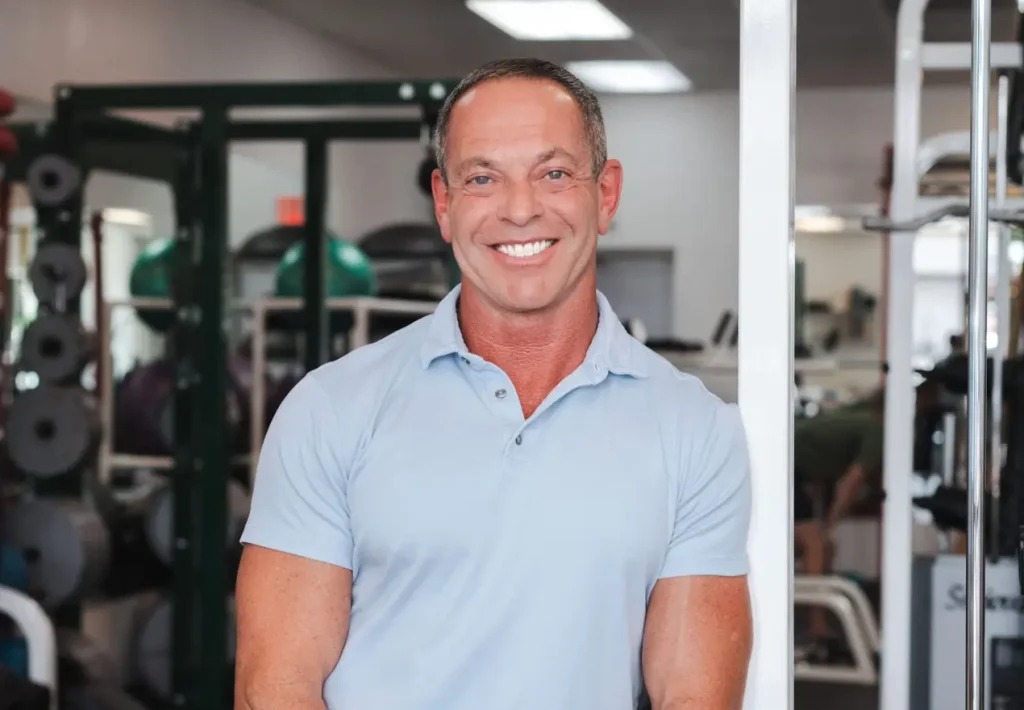
If you’ve been waiting for the “right time” to start strength training, Reno certified personal trainer Paul Fischer has good news: you’ve already found it.
There’s no age that’s too old, no fitness level too low, and no list of conditions that automatically disqualifies someone from benefiting from strength work. Paul Fischer has spent nearly 30 years helping older adults in Reno, NV build strength, reduce pain, and stay independent— and he’s worked with beginners well into their 80s.
The question isn’t whether seniors should strength train. The question is how to start safely and effectively.
Why Strength Training Matters More After 60
Most people don’t realize that muscle loss is happening whether or not they’re exercising. After age 30, adults naturally lose 3–8% of their muscle mass per decade. That rate accelerates significantly after 60.
This process — called sarcopenia — is one of the primary drivers of the things seniors fear most: falls, loss of balance, difficulty with daily tasks, and eventually, loss of independence.
Strength training is the most effective intervention known to combat sarcopenia.Not walking. Not yoga. Not stretching. Resistance training — progressively loading your muscles over time — is what signals the body to maintain and rebuild muscle tissue.
Is There an Ideal Age to Start?
Ideally? Your 50s or early 60s, before significant muscle loss has occurred. Starting during this window gives you the most runway to build a strong foundation before the steeper declines that can come in your 70s and 80s.
But here’s what the research consistently shows: seniors who begin strength training in their 70s and 80s still see meaningful gains in strength, balance, and functional ability. The body’s ability to adapt doesn’t disappear with age — it just requires a more thoughtful approach.
Paul Fischer has seen this firsthand. Clients who come to him in their late 70s with no prior training history regularly achieve real, measurable improvements in just a few months of consistent work.
So while earlier is better, later is never too late.
What If You Have Health Conditions or Injuries?
This is the concern Paul Fischer hears most often from new clients — and it’s completely understandable. If you have arthritis, osteoporosis, a heart condition, joint replacements, or chronic pain, the idea of lifting weights can feel risky.
In most cases, it isn’t.
In fact, strength training is often part of the treatment for many of these conditions. Resistance exercise helps reduce joint pain in arthritis, improves bone density in people with osteoporosis, supports heart health, and builds the muscle and balance needed to reduce fall risk.
The key is working with someone who knows how to modify a program appropriately. Paul Fischer holds an ACE certification and CHEK IMS Level 3 credentials, and has a background as a physical therapy aide —which means he’s trained to work with clients who have complex health histories, not just healthy adults looking to get fitter.
Before beginning any new exercise program, it’s worth checking in with your doctor — especially if you have a serious cardiovascular condition or have recently had surgery. But for most seniors, a medical green light is easier to get than you might expect.
What Does a Beginner Program Actually Look Like?
If you’re just starting out, strength training probably looks a lot gentler than you’re imagining. Paul Fischer typically starts new senior clients with:
- Bodyweight movements — squats, step-ups, and seated exercises that build foundational strength without equipment
- Resistance bands — great for building strength with joint-friendly resistance
- Light free weights — introduced gradually as strength and confidence improve
- Balance and stability work — often integrated from day one to address fall prevention
Sessions are typically 30–60 minutes, one to three times per week. Progress is gradual and intentional — Paul monitors how clients respond and adjusts accordingly, rather than following a one-size-fits-all template.
The goal in the early weeks isn’t to challenge you to your limits. It’s to teach your body the movements, build confidence, and establish a sustainable habit.
How Paul Fischer Helps Seniors in Reno Get Started
Paul Fischer works with his clients at Performance EDU in Reno, NV. His approach is built around where each client actually is— their current strength level, health history, movement limitations, and goals — not where a textbook says they should be.
Whether you’re 62 and just retired, 75 and dealing with chronic knee pain, or 80 and recovering from a health setback, Paul Fischer can build a program around your reality.His background as a physical therapy aide means he’s as comfortable working with medical complexity as he is with healthy beginners.
He offers a free consultation for new clients — a no-pressure conversation about your goals, your history, and whether personal training with Paul is the right fit.
Start Where You Are
There’s no version of “too old to start” that holds up under scrutiny.The research is clear, and Paul Fischer’s three decades of experience with older adults in Reno confirms it: seniors who begin strength training — at any age, at any starting point — improve.
The only thing that gets in the way is waiting. Ready to get started? Contact Paul today to set up a free consultation.
Frequently Asked Questions
Is it safe for seniors to start strength training on their own?
Some seniors can start safely with basic bodyweight movements at home, but working with a qualified trainer is the safest way to begin — especially if you have any health conditions, joint pain, or balance concerns. A trainer ensures you’re using correct form, progressing at the right pace, and not inadvertently aggravating existing issues.
How quickly will seniors see results from strength training?
Most seniors notice improvements in energy, balance, and how daily tasks feel within four to six weeks of consistent training. Visible strength gains typically follow within eight to twelve weeks. The timeline varies based on starting point, consistency, and program design.
Can seniors with osteoporosis lift weights?
Yes — and in many cases, they should. Resistance training is one of the most effective ways to maintain and even improve bone density. The key is working with a trainer who understands osteoporosis and can modify exercises to avoid high-impact movements or positions that increase fracture risk.
How many days per week should seniors strength train?
Two to three days per week is the standard recommendation for older adults beginning a strength training program. This allows adequate recovery time between sessions, which is especially important for seniors whose bodies take longer to adapt to new exercise demands.
Do I need a gym membership to start strength training as a senior?
No. Many effective beginner programs use bodyweight exercises, resistance bands, and light dumbbells that can be used at home. That said, working with a personal trainer — especially in a gym setting like Performance EDU in Reno — gives you access to better equipment, professional guidance, and accountability that most people find accelerates their progress significantly.
What’s the difference between a personal trainer and a senior fitness specialist?
Not all personal trainers have experience working with older adults. A senior fitness specialist understands age-related changes in muscle, bone, balance, and recovery — and knows how to modify programs for the conditions commonly seen in older clients. Paul Fischer’s ACE certification, CHEK IMS Level 3 credentials, and physical therapy aide background reflect that specialized focus.
Paul Fischer is a senior fitness specialist and personal trainer based in Reno, NV. He holds an ACE certification and CHEK IMS Level 3 credentials, and has nearly 30 years of experience helping older adults build strength, reduce pain, and stay independent. He trains clients at Performance EDU in Reno and offers a free consultation for new and prospective clients.