
Key Takeaways
- Knee pain doesn’t mean you should stop exercising.
- Strengthening hips and legs protects the knees.
- Confidence in movement reduces fear and stiffness.
- Personalized training helps prevent setbacks.
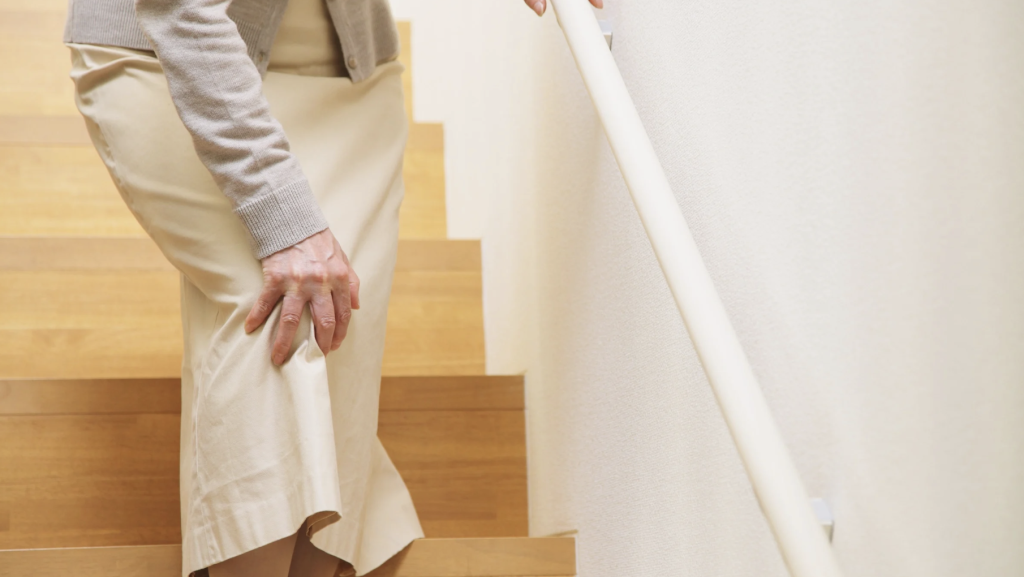
For many seniors, knee pain changes how they move long before it changes how they feel.Stairs become something to avoid. Getting up from a chair feels uncertain. Even short walks can spark hesitation. What often gets lost in the conversation is that knee pain is rarely just a “knee problem.” In most cases, it’s linked to strength, balance, and movement patterns that can be improved with the right kind of training.
Paul Fischer, a Reno-based personal trainer who specializes in working with older adults, helps seniors rebuild strength and confidence in their movements—without aggravating sensitive knees.
Why Knee Pain Is So Common as We Age
As we get older, muscle loss around the hips and legs accelerates, especially if activity levels drop. When those muscles weaken, the knee joint is forced to absorb more stress during everyday movements like standing, stepping, or turning.
Past injuries, arthritis, and reduced balance can compound the issue. The result isn’t just discomfort—it’s a gradual loss of confidence in movement, which often leads to even less activity.
Is It Safe to Strength Train With Knee Pain?
In most cases, yes. In fact, avoiding strength training often makes knee pain worse over time. Safe strength training focuses on improving how force moves through the body. When hips, glutes, and core muscles do more of the work, the knees are no longer asked to handle everything on their own.
The goal isn’t to “push through pain,” but to move within comfortable ranges and gradually restore trust in the body.
How Paul Fischer Helps Seniors Move With More Confidence
Paul’s knee-friendly programs emphasize controlled, practical movements that translate directly to daily life. Strength training sessions often focus on improving how clients sit, stand, step, and balance—movements that matter far more than gym-based performance.
Exercises are adjusted carefully, and progress happens gradually. Over time, many seniors find that tasks they once avoided—like stairs or uneven ground—start to feel manageable again.
Movements That Often Need Extra Care
Some exercises can aggravate knee pain when introduced too quickly or performed incorrectly. Deep squats, fast lunges, and high-impact movements are often modified or temporarily avoided until strength and control improve.
What matters most is not eliminating movements forever, but earning them back safely.
If knee pain has made movement feel uncertain, Paul Fischer offers free consultations for seniors in Reno to talk through concerns and explore safe options. Contact him today to schedule a time to talk.
FAQs
Can strength training help knee pain in seniors?
Yes. When done correctly, strength training often improves stability and reduces daily discomfort.
Should seniors avoid squats if they have knee pain?
Not necessarily. Squat depth and variation matter more than avoiding them entirely.
How long does it take to see improvement?
Many seniors notice better stability and confidence within four to six weeks.