
Key Takeaways
- Exercise injuries in seniors usually come from compensation, not effort.
- Control and coordination matter more than intensity.
- Stability training protects joints and the spine.
- Predictable movement restores confidence.
- Guided training helps older adults in Reno stay active safely.
Staying active becomes more important with age — but it can also start to feel less predictable. Many older adults know exercise helps, yet they’ve experienced the moment where a simple movement suddenly feels uncertain or awkward.
That uncertainty is where injuries tend to happen.
In Reno, a lot of seniors remain active with walking, gardening, and time outdoors, but uneven ground, long periods of sitting, and seasonal stiffness can quietly change how the body responds to movement. Exercise is still one of the best tools for maintaining independence — it just needs to match how the body works now, not how it worked decades ago.
Most exercise setbacks in older adults don’t come from trying too hard. They come from the body compensating for reduced balance, mobility, or coordination. A movement still happens — just not in the way the joints were designed to handle.
Why the Body Responds Differently After 60
Nothing suddenly “breaks” with aging. Instead, small changes accumulate:
- reaction time slows
- joints tolerate less abrupt force
- posture gradually shifts forward
- stabilizing muscles activate less automatically
- balance reactions become less consistent
These changes don’t prevent exercise. They simply require a different approach to it.
A qualified senior personal trainer knows how to adjust movement so force spreads safely through the body instead of concentrating in vulnerable areas like the lower back, knees, or shoulders.
The Real Cause of Most Exercise Injuries
Leaning, bracing, twisting, locking the knees — these are ways the body completes a task when stability isn’t quite there.Over time, those workarounds overload tissues that weren’t meant to absorb repeated stress.
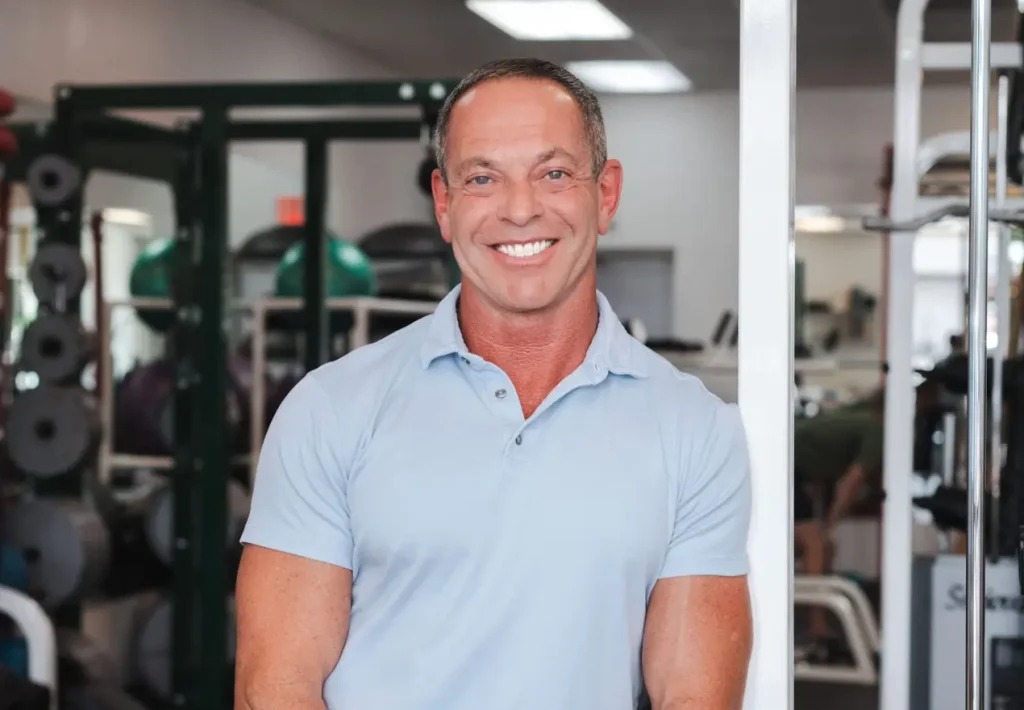
A senior-focused trainer like Paul Fischer in Reno pays attention to how the movement happens, not just whether it gets completed.
What Changes With Specialized Training
Instead of chasing fatigue, training becomes about control and confidence.
- Movements slow down so joints track properly.
- Ranges of motion stay comfortable while mobility improves gradually.
- Resistance supports posture instead of challenging balance too early.
- Progress happens steadily enough that the body adapts without flare-ups.
Many Reno clients notice the biggest improvement isn’t strength — it’s predictability. Everyday tasks stop feeling risky. Because balance and injury risk go hand-in-hand, it also helps to understand how strength work supports stability in How Strength Training Prevents Falls and Injuries in Seniors.
Why Generic Programs Often Don’t Work for Older Adults
Most fitness programs are designed around fatigue, calorie burn, or muscle exhaustion.
Senior training prioritizes something different:
- stability before strength
- coordination before intensity
- confidence before challenge
That shift dramatically reduces strain injuries and helps people stay consistent.
If you’ve ever felt like a program wasn’t built for your body, you’re not imagining it — here’s Why Personalized Fitness Plans Matter More After 60.
The Bigger Goal: Staying Capable
For many older adults, the real objective isn’t athletic performance. It’s everyday independence.
- Getting out of a chair without hesitation
- Walking without watching every step
- Turning without bracing
- Carrying groceries comfortably
When training restores these abilities, people naturally become more active again — which further protects long-term health.
Considering Guidance?
If movement has started to feel uncertain, or you’ve been avoiding activity because you’re worried about aggravating something, a short conversation can help clarify what’s safe and what isn’t.
Paul Fischer works with older adults throughout Reno to rebuild confidence in everyday movement— not through intense workouts, but through controlled, appropriate progressions tailored to the individual.
If you’d like to talk through your situation, you’re welcome to reach out and schedule a consultation. There’s no commitment — just an opportunity to understand what options might help you move more comfortably again.
FAQs
Do seniors need a specialized personal trainer?
It helps. Trainers experienced with aging bodies adjust balance demands, recovery time, and joint loading to reduce injury risk.
Is strength training safe after 70?
Yes. When progressed appropriately, strength training improves stability and reduces fall risk at nearly any age.
Why do injuries happen in regular fitness classes?
Many programs assume mobility and balance that may no longer be present, which leads to compensation patterns.
Can personal training prevent falls?
Improving coordination, posture, and reaction ability significantly lowers fall risk.